Big Blue Communications adopted a deeply collaborative approach, grounded in creative exploration. The process prioritised close partnership with key stakeholders while ensuring the illustration system could meet both immediate communication needs and long-term scalability requirements.
The project began with a co-creation and discovery phase, during which Big Blue led illustration conceptualisation workshops with the Prevention Collaborative and UNFPA teams. Existing brand guidelines, logos, and visual systems were reviewed to ensure alignment across organisations. Four distinct illustration styles were explored and tested to assess tone, emotional sensitivity, scalability, and suitability for complex data storytelling.
Following this exploration, a clean and expressive vector illustration style was selected. This style was chosen for its ability to scale seamlessly across multiple formats, support nuanced facial expressions and emotional cues, and remain culturally inclusive by avoiding overly specific cultural markers while still feeling human and relatable.
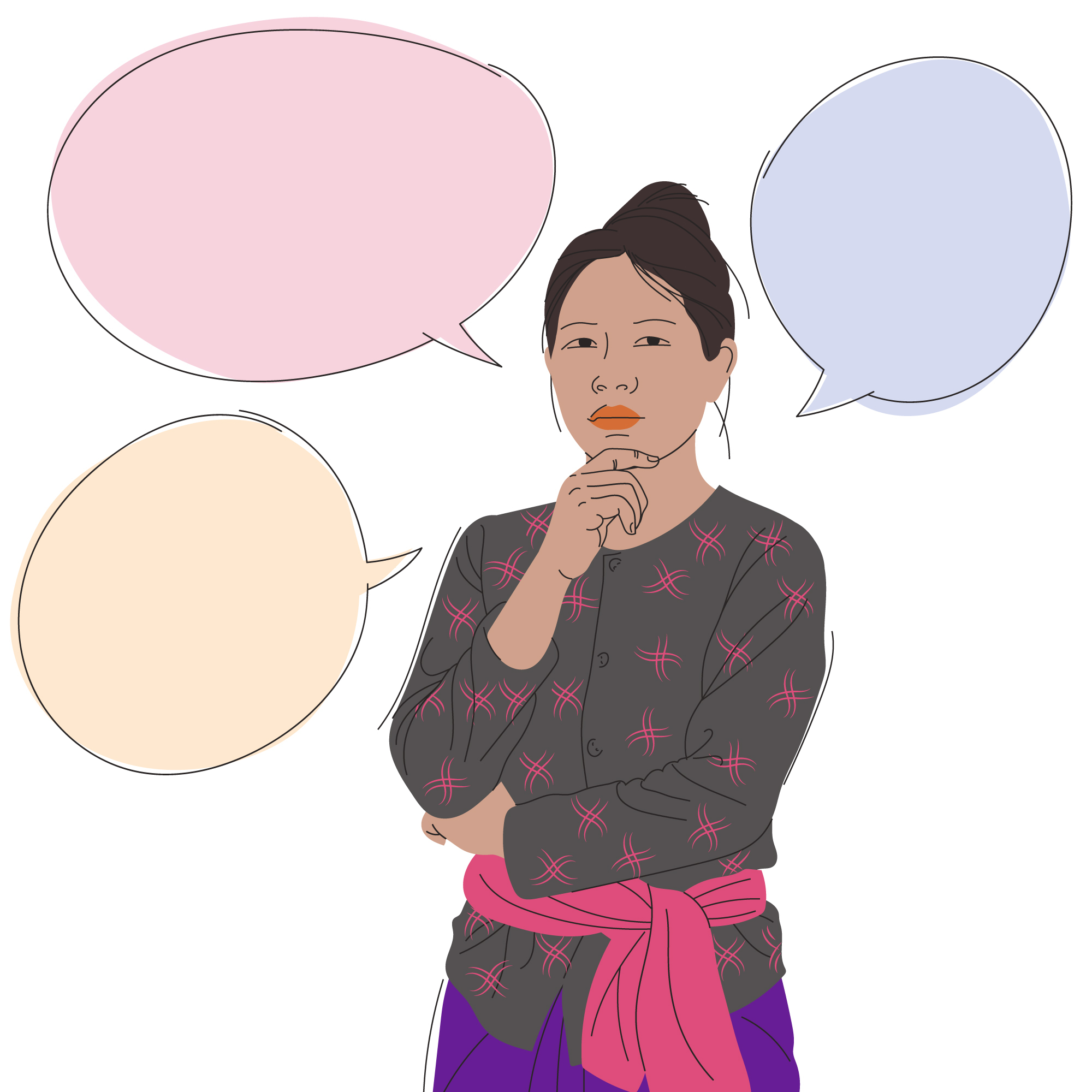
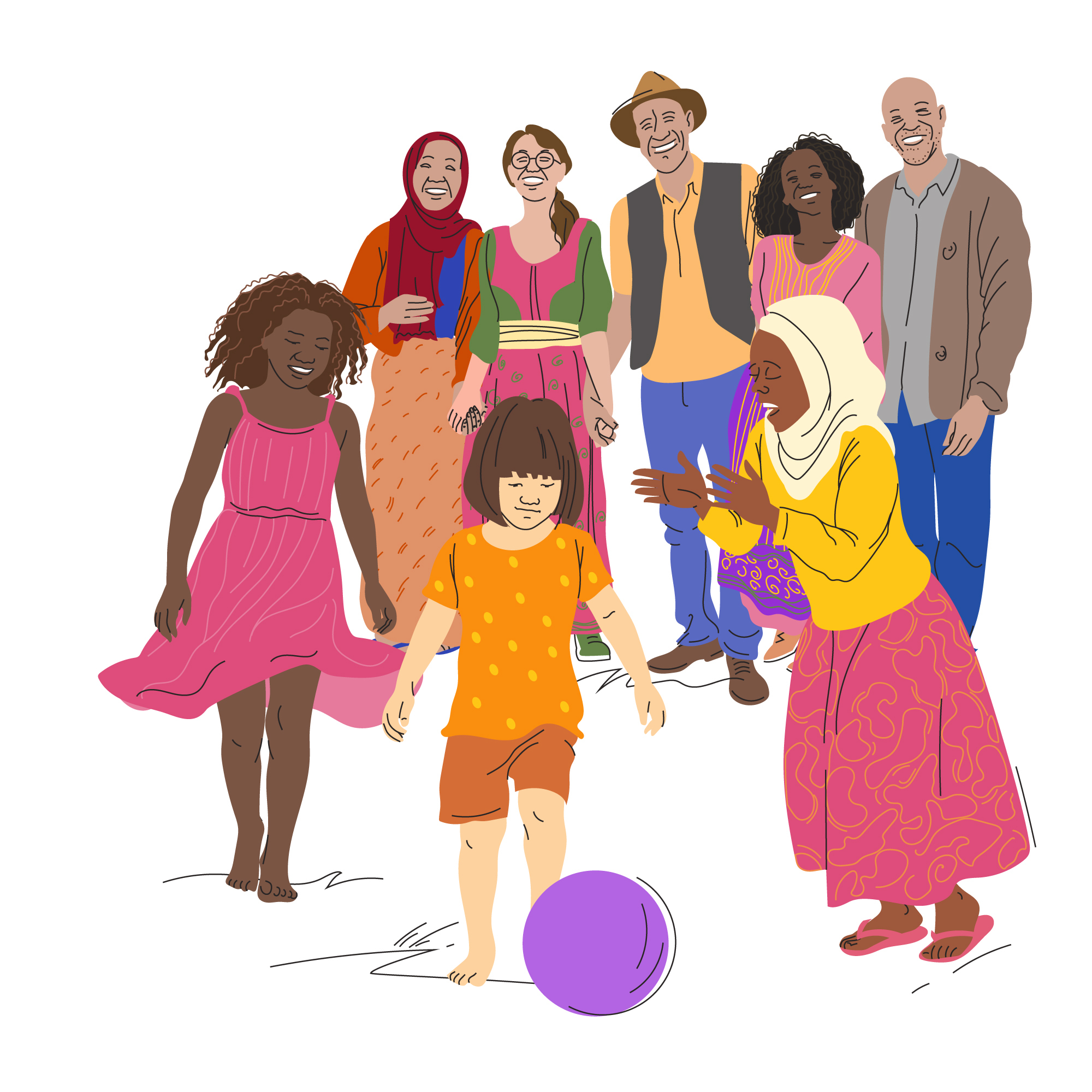
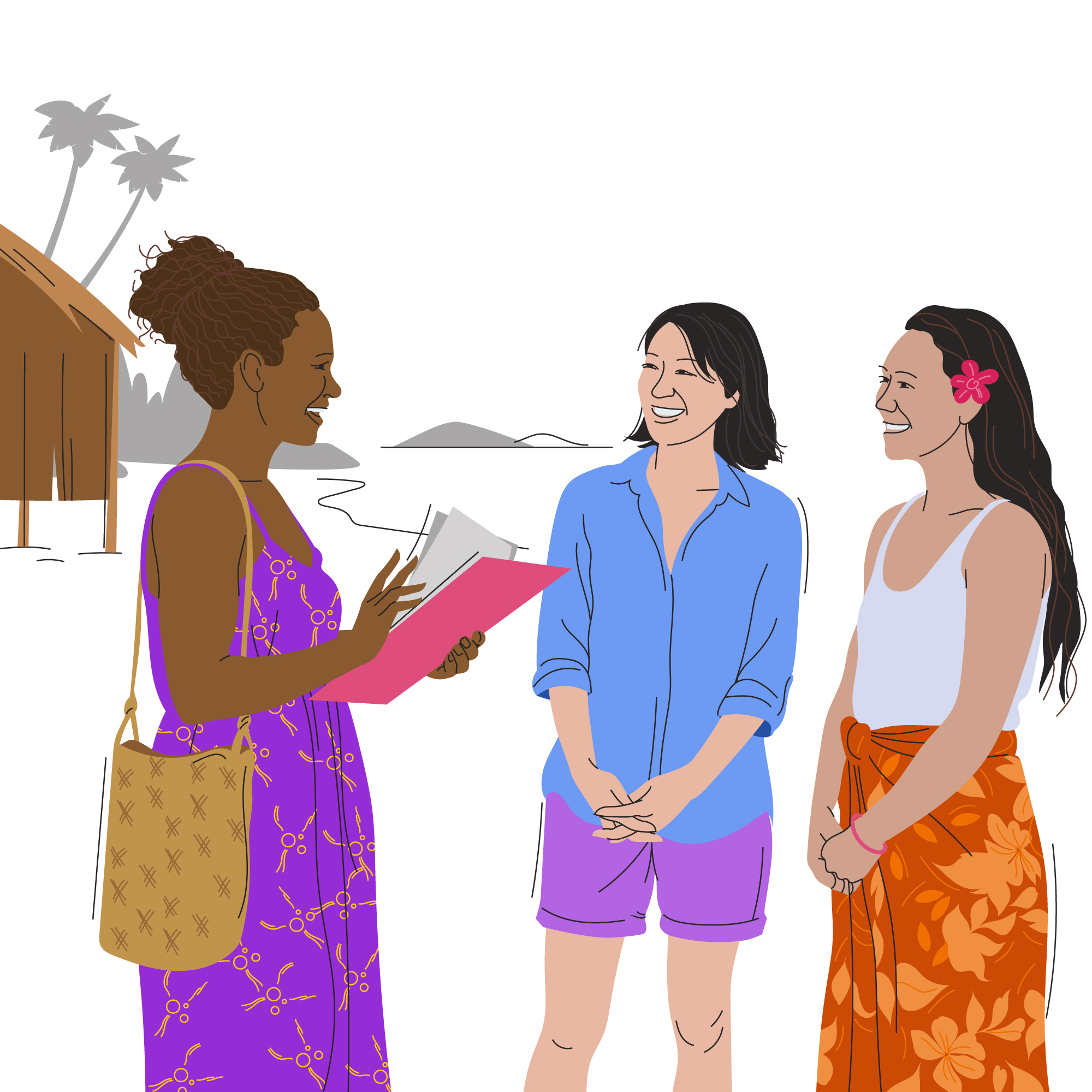
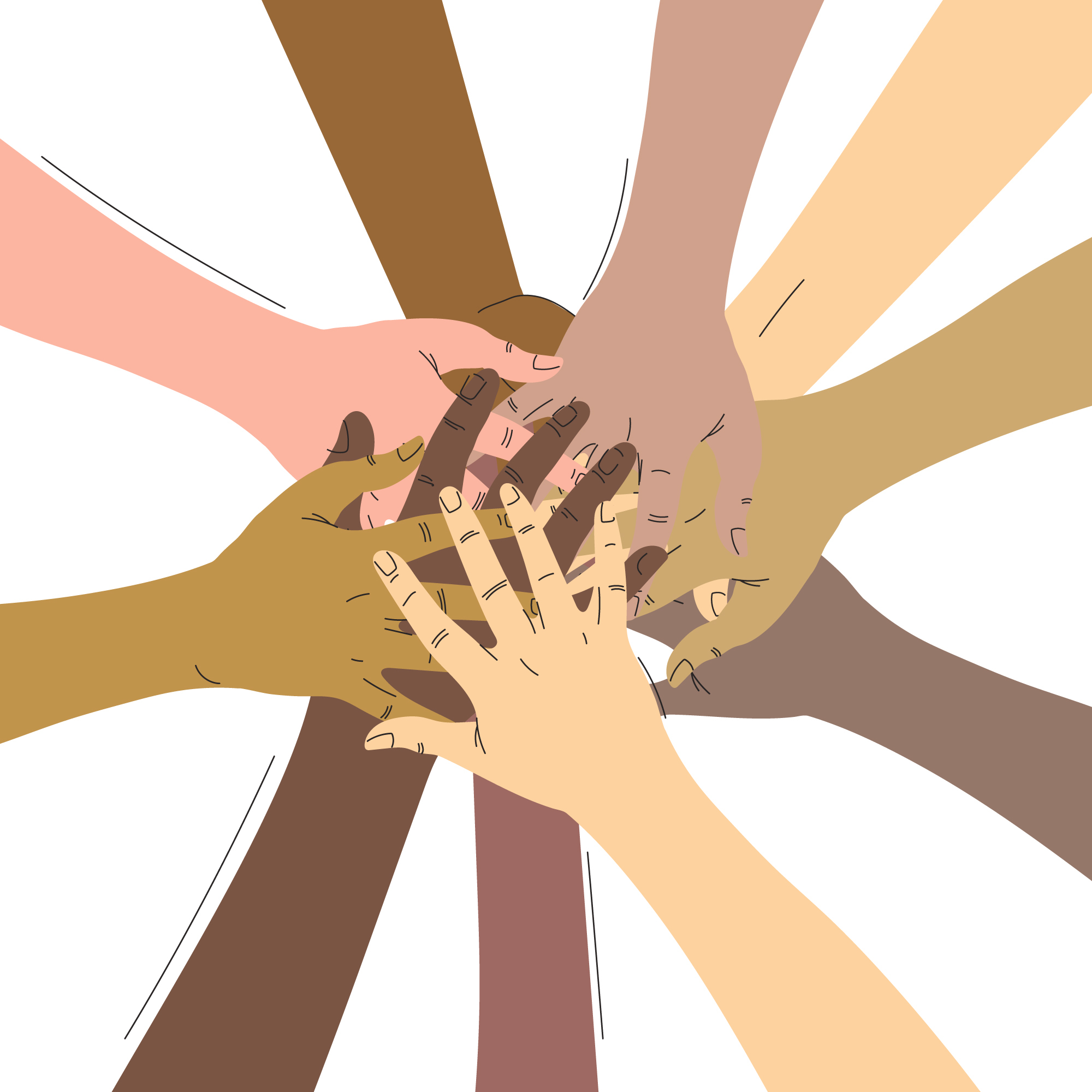
Cultural and regional representation was a core consideration throughout the design process. Characters were developed to reflect communities across South Asia, East Asia, Southeast Asia, and the Pacific Islands, with careful attention paid to skin tones, facial features, age, gender, and religious representation. This ensured the visuals felt regionally inclusive and respectful, without reinforcing stereotypes.
A systems-thinking approach underpinned the final execution. Big Blue developed a complementary custom icon set aligned with the illustration style and designed modular scenes that could be reused, adapted, and expanded across future assets. Consistency was maintained across UNFPA branding, the kNOwVAWdata identity, and Prevention Collaborative visuals, resulting in a flexible and sustainable visual system built for long-term use.