Supporting women-led responses to climate, conflict and inequality in Myanmar and Nepal

Partner: University of Portsmouth – GENDER FOCUS

Big results

Big Blue supported the University of Portsmouth-led WAMN (Women-led Responses to the intersectional impact of the climate crises, gendered inequalities, poverty and conflict in Myanmar and Nepal) project to generate and communicate critical evidence on how women activists and women-led organisations in Myanmar and Nepal respond to the intersecting impacts of climate crises, gender inequality, poverty and conflict. Through research, accessible online learning resources, stakeholder engagement and multimedia communications, the project is helping strengthen understanding of women-led responses and the support systems needed to sustain activism at the grassroots level.

Story

Big Blue partnered with the University of Portsmouth – Gender Focus to bring the WAMN project’s complex research to life through accessible, human-centred communications. Our role was to help translate evidence on climate crises, conflict, gendered inequalities, and poverty into engaging digital, visual, and learning experiences that could connect with activists, practitioners, policymakers, and wider audiences.

At the heart of our work was the challenge of making complex, intersectional research easier to understand without losing the realities behind the evidence. Big Blue developed a storytelling approach that placed women activists and their experiences at the centre, helping audiences see how climate shocks, conflict, poverty, and gender inequality intersect in people’s everyday lives.

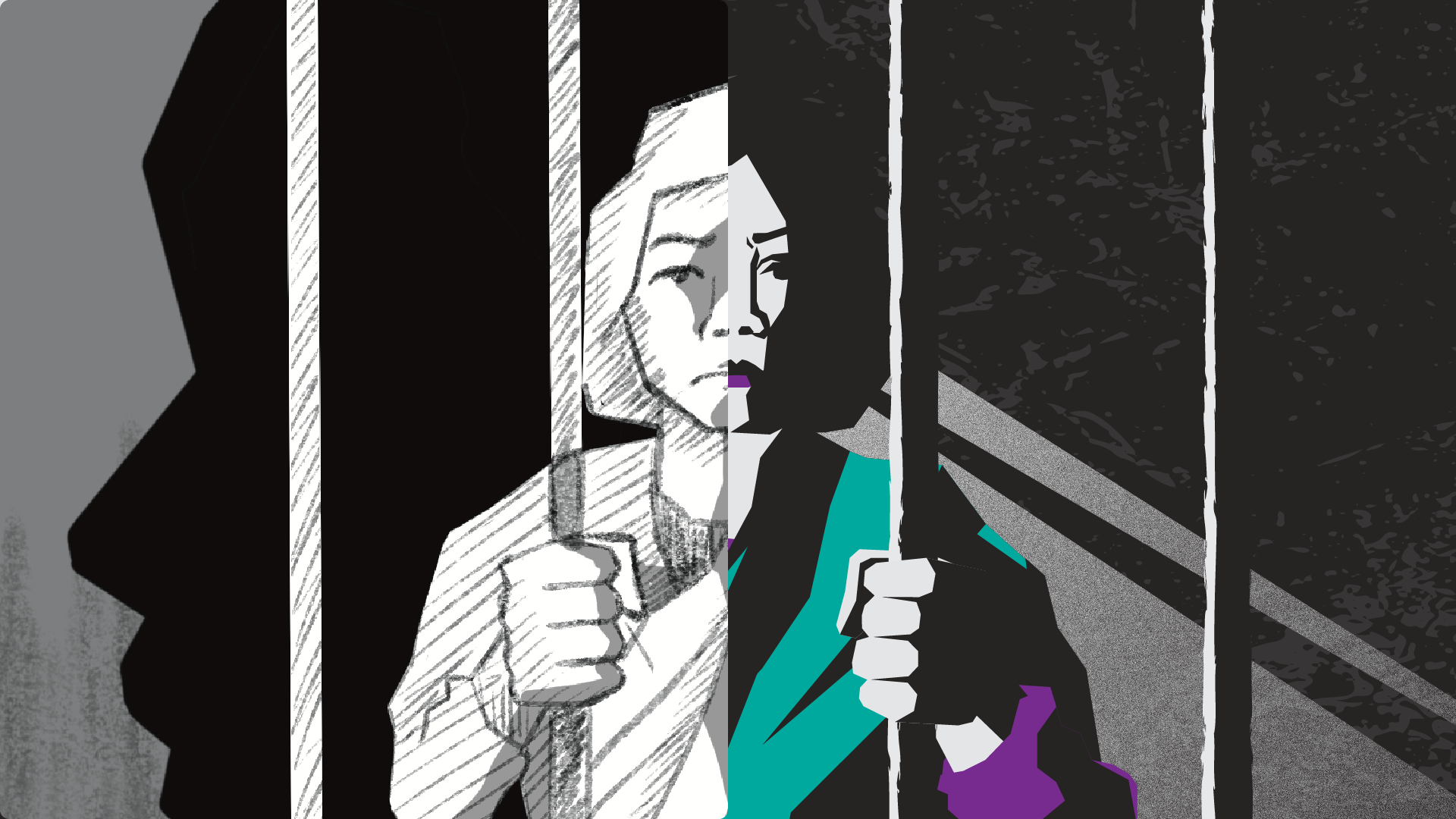
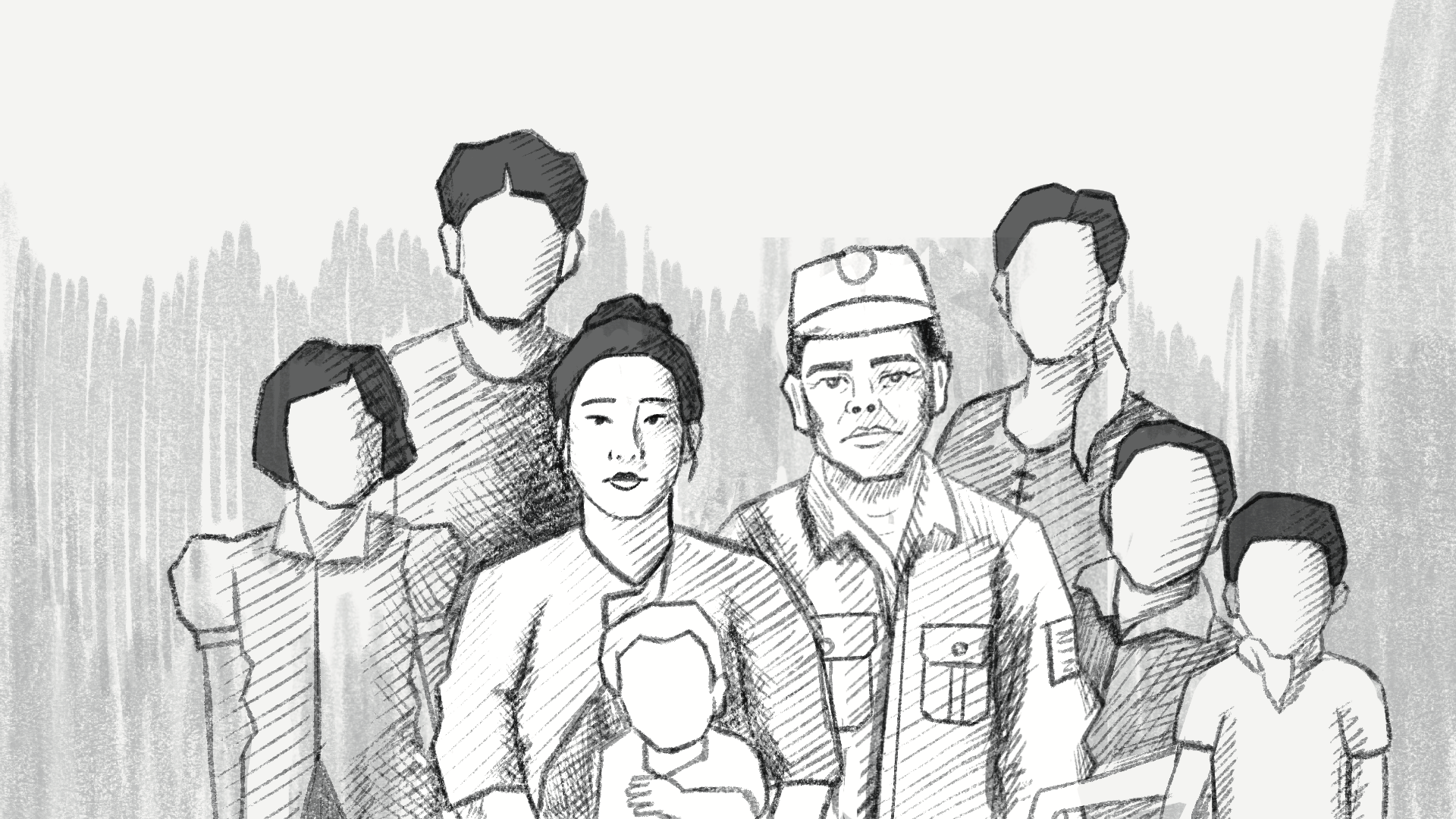
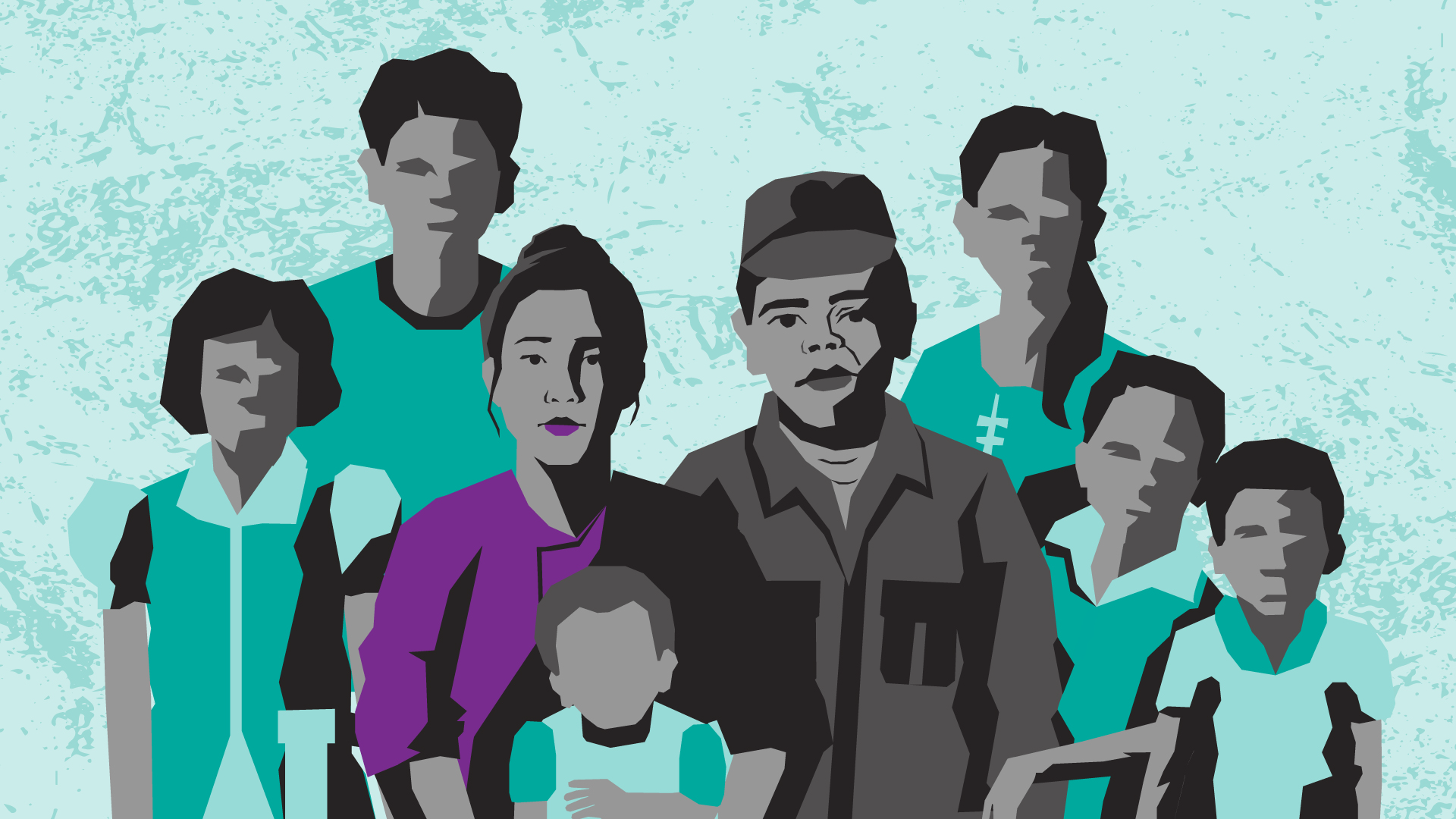
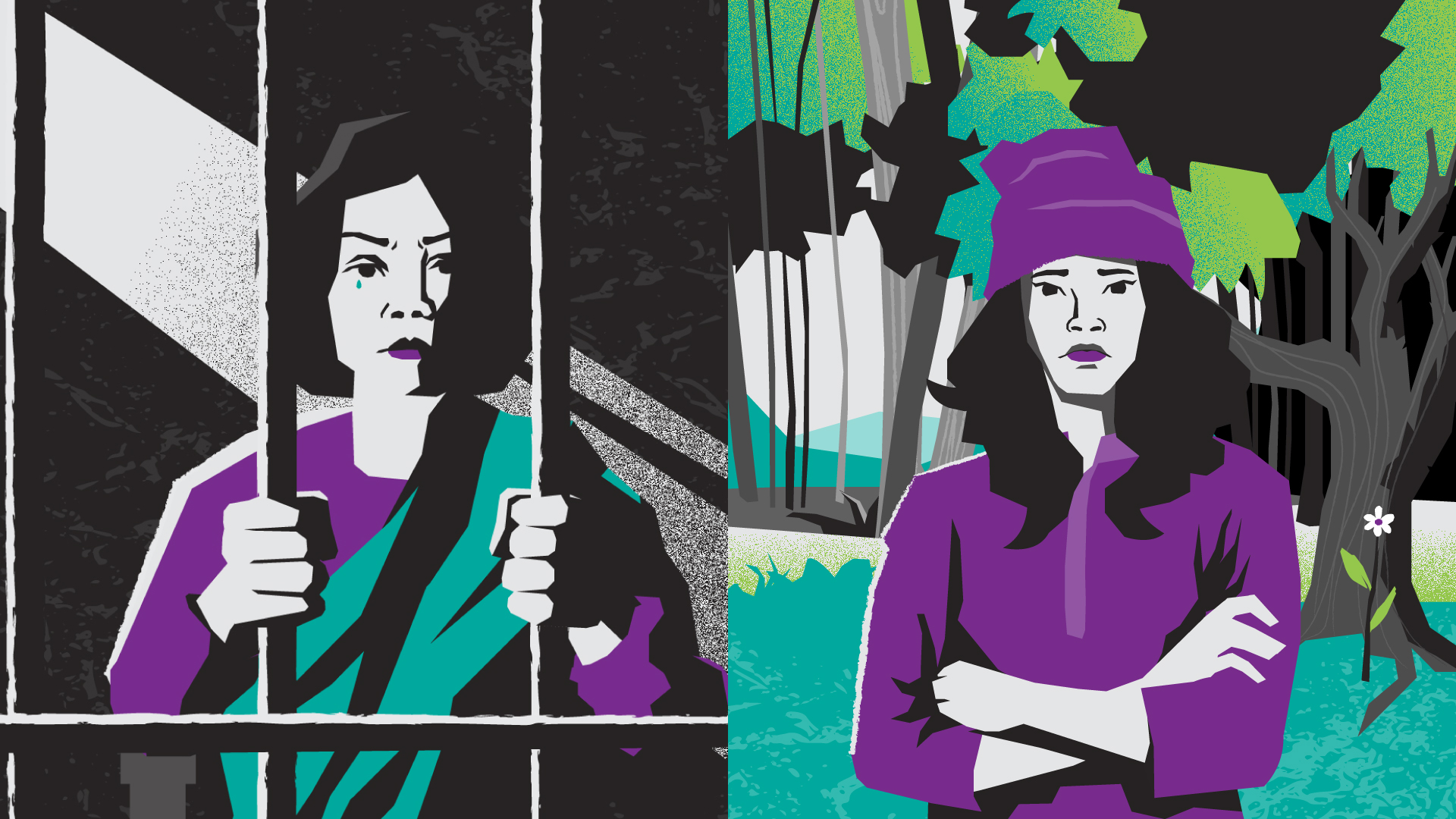
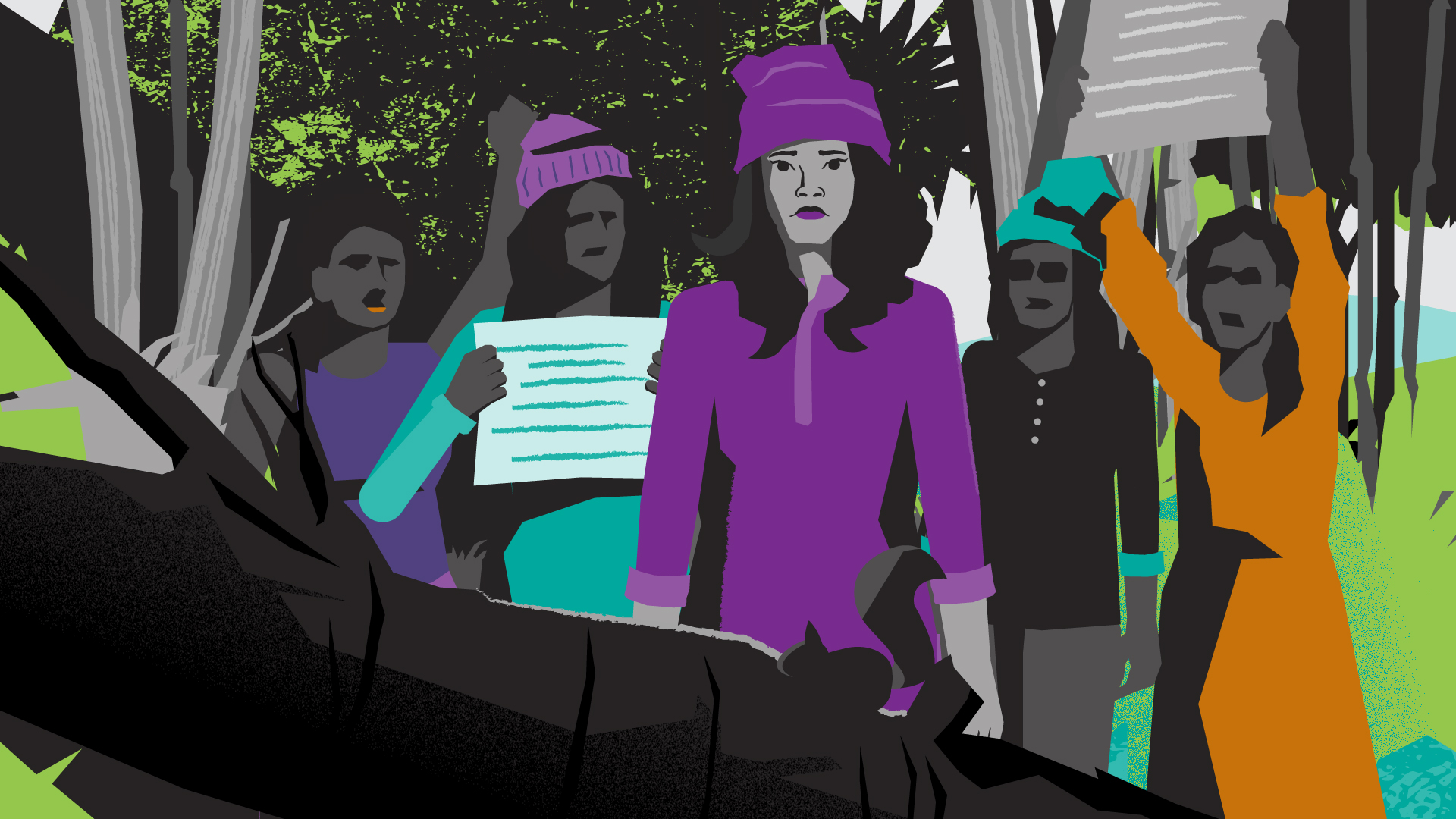
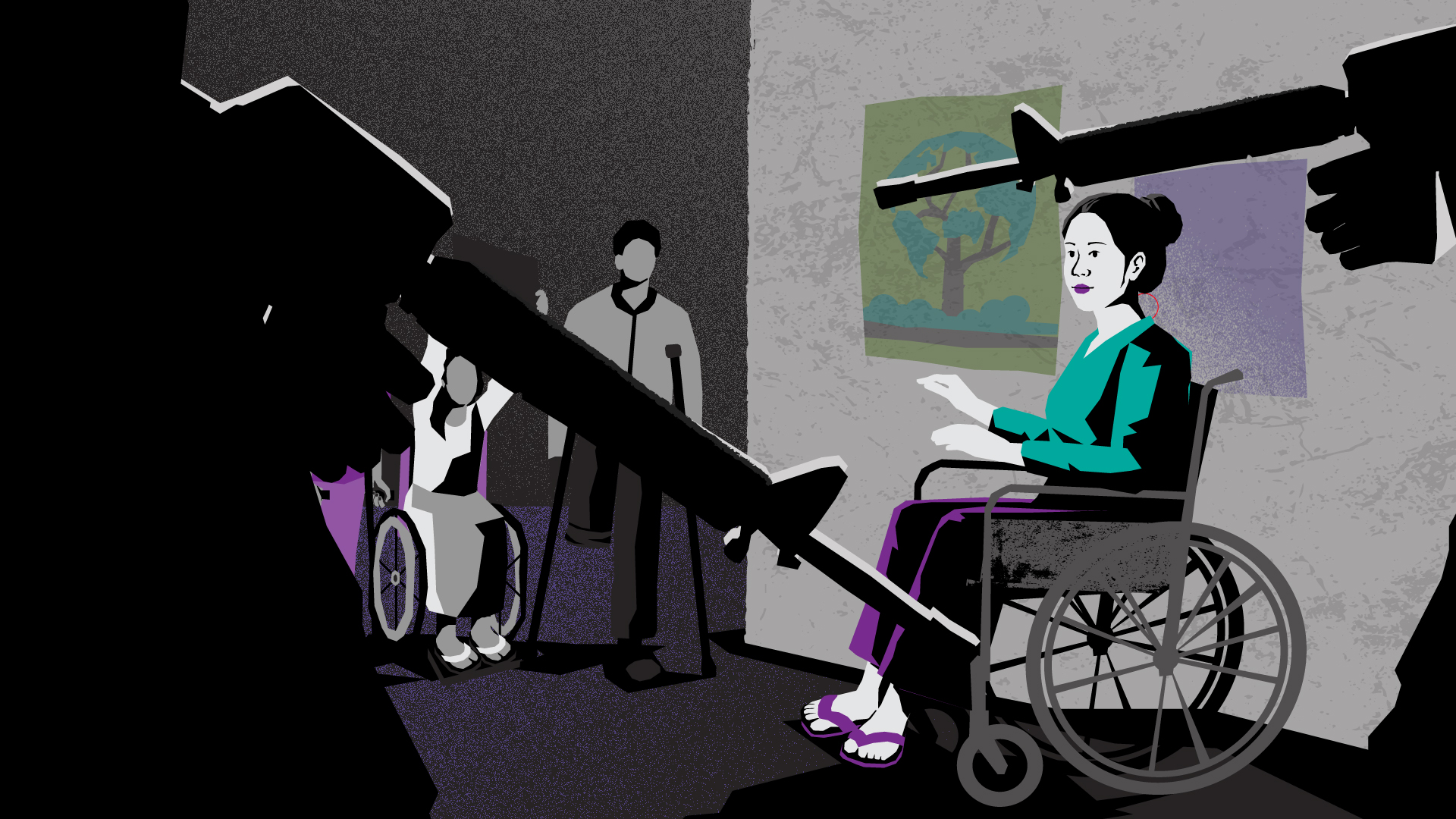
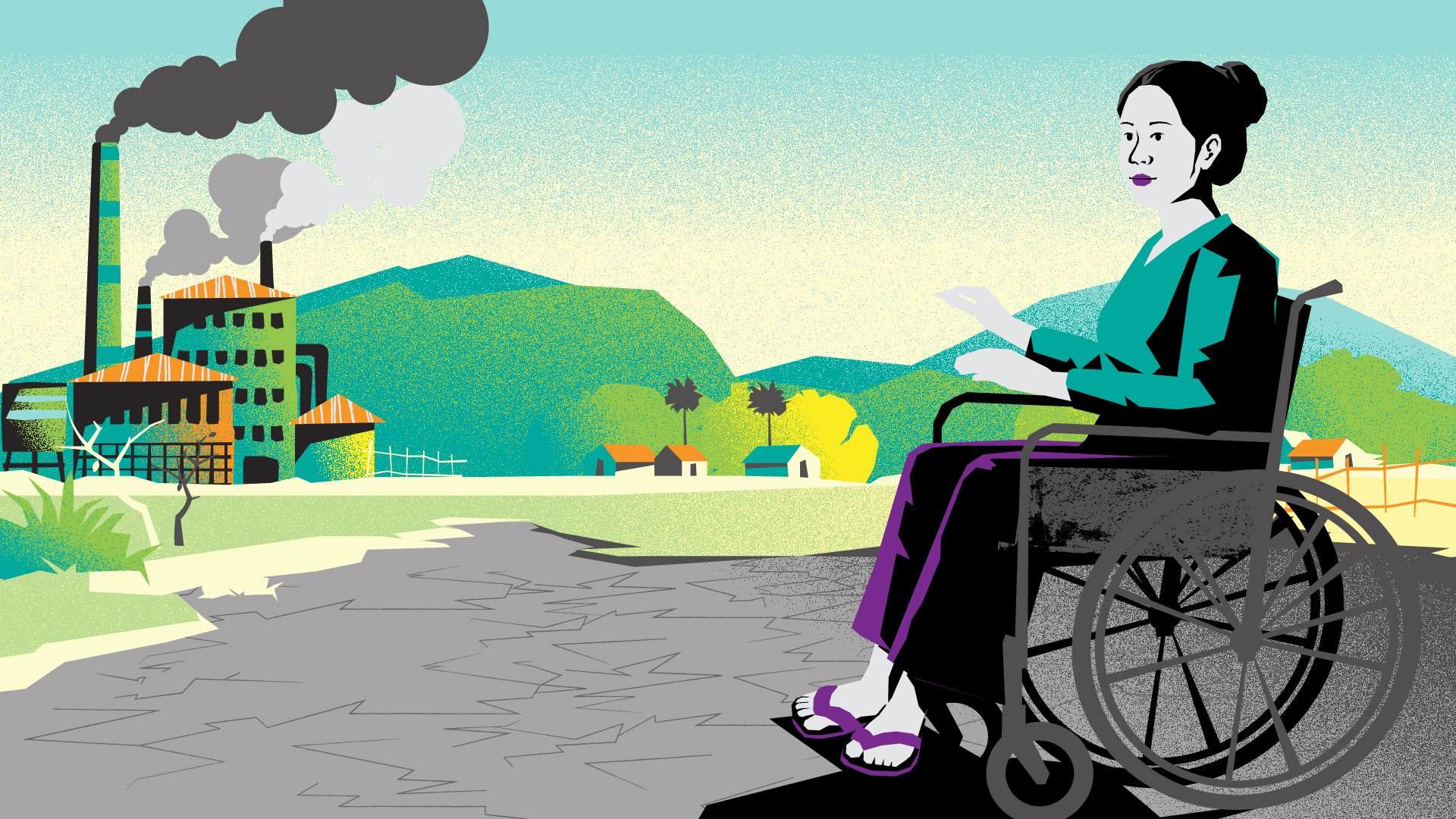
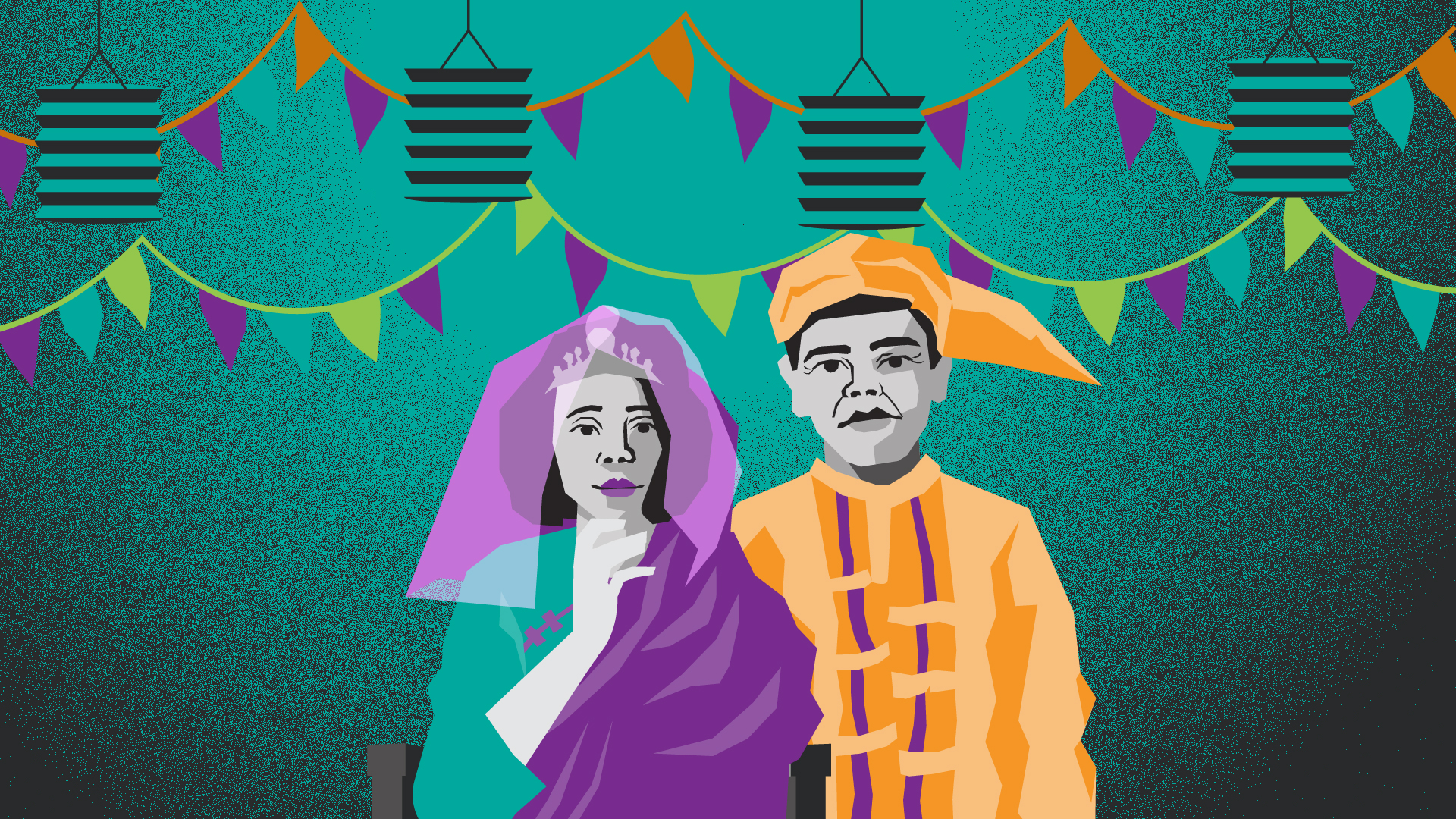
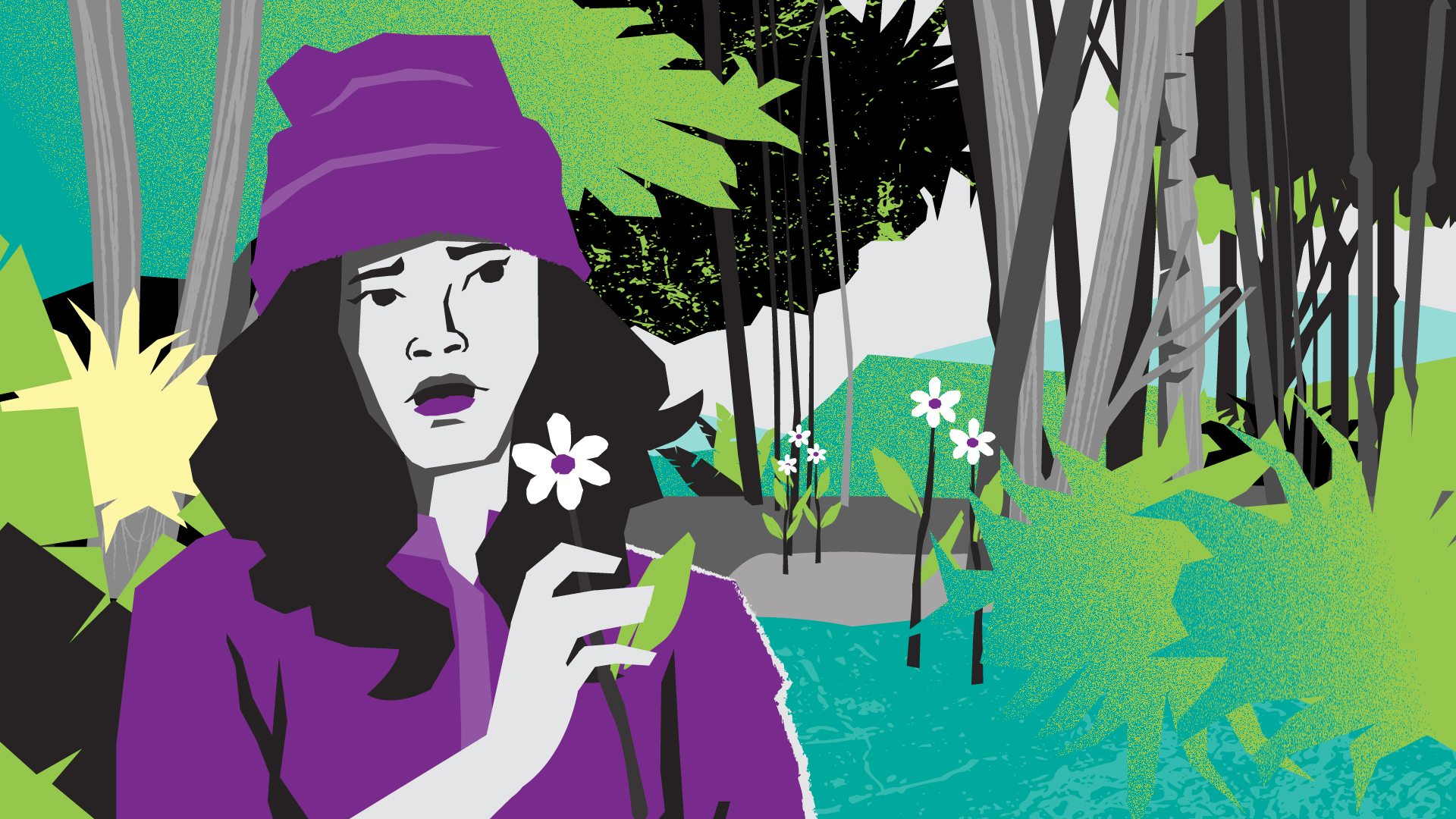
A key outcome was the creation of a flagship animated film that transformed research and real-life testimonies into a visual narrative. Rather than presenting the research as statistics, Big Blue synthesised the experiences documented through the project into two complex characters: Hayma, an activist navigating conflict and disability in Myanmar, and Priya, a climate activist challenging systemic inequalities in Nepal. Through their stories, the animation makes the connections between multiple crises tangible, personal, and emotionally resonant.

Big Blue also provided technical and digital learning support, helping translate the project’s knowledge into online learning resources. This included supporting the development of a Moodle-based e-learning course and integrating interactive H5P tools, creating opportunities for activists and practitioners to engage with the project’s learning in a more practical and participatory way.

Through a combination of strategic storytelling, animation, online learning, and interactive technology, Big Blue helped turn a body of academic research into communications that people can see, understand, and engage with.

The result is a more accessible and human-centred way of communicating the WAMN project’s evidence, helping bring the experiences and leadership of women activists in Myanmar and Nepal to a wider audience, while creating digital resources that can support continued learning, advocacy, and knowledge exchange.


Approach

Big Blue supported the project by helping translate its research and learning into accessible formats that can reach activists, practitioners and wider audiences. Alongside the research, the project is developing online training resources designed to provide practical and accessible learning opportunities for activists working at the local level.

The research brings together evidence from women activists, civil society organisations and other stakeholders to understand how climate shocks, conflict, poverty and gendered inequalities interact in different contexts. This approach places women’s experiences and leadership at the centre of the evidence-gathering process while recognising the different political and social realities in Myanmar and Nepal.

The emerging evidence is also being shaped into accessible knowledge and communications materials, helping make complex research findings easier to understand, share and apply. Through online learning and multimedia approaches, the project aims to support knowledge exchange and strengthen the visibility of women-led responses.

Results

The project is generating important evidence on the critical role women activists play in responding to interconnected climate, conflict and social crises in Myanmar and Nepal.

In Myanmar, the research highlights the growing role of grassroots civil society networks while showing how women remain largely invisible in mainstream climate discussions. Activists are developing innovative ways to respond to multiple crises despite insecurity, restricted communication and logistics challenges, while humanitarian and crisis-response activities are increasingly politicised. In Nepal, the research highlights a different but equally complex set of challenges. Although progress on gender equality has previously been made, feminist agendas are becoming increasingly fragmented. Disaster responses often fail to address women’s specific needs, while efforts to include women in planning can remain tokenistic without meaningful action or participation. The research also points to the need for stronger alliances, sustained funding, leadership development and meaningful participation of women from grassroots organisations through to government.

Across both countries, a consistent picture is emerging: women and girls are often at the forefront of experiencing the intersectional impacts of climate shocks, poverty and conflict, while women activists are also among the first responders. The project is helping make these experiences, leadership and responses more visible while creating accessible resources that can support activists and inform future efforts to strengthen women-led action.